All Categories
Featured
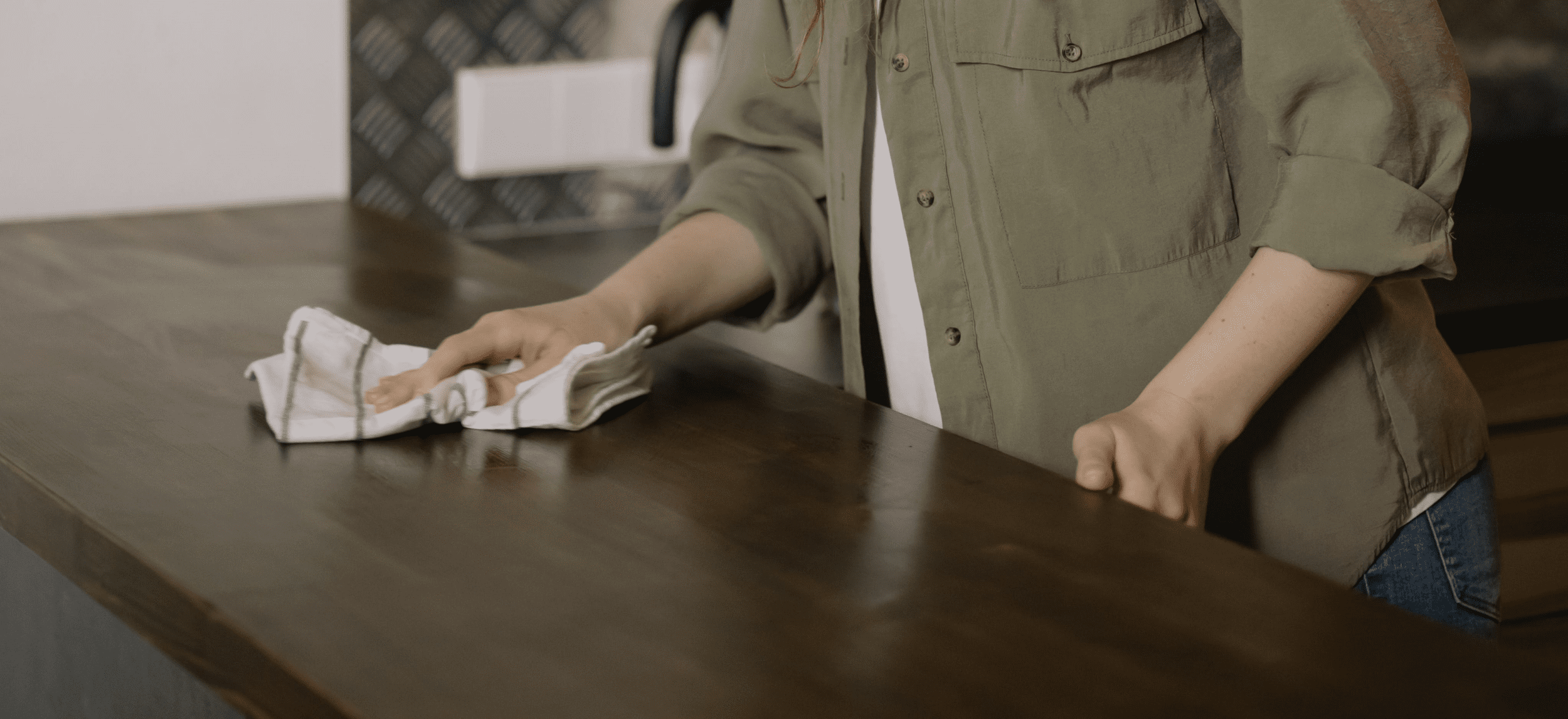
My go-to for keeping surfaces clear. Here's how I use it. A fast tidy after supper makes early mornings so much smoother. If you do not have kids, skip ahead to Living spaces!.?.!! Toys are among the most considerable sources of clutter for familiesand one of the easiest to simplify. When toys overflow, playtime gets spread, and clean-up becomes a fight.
Tackle toys simultaneously rather of going room by room. Seeing everything together provides you a clearer image of what your kids really have and like. To keep it manageable, I suggest preventing the giant "dump all of it out" pile and rather working on one or two groups at a time.
Baby toys Dolls and packed animals Building toys Arts and crafts materials Pretend play and costumes Vehicles and tracks Figurines and action figures Games and puzzles Active toys and sports gear Musical instruments As you sort, release: Toys your kids have actually outgrown or no longer play with Broken toys and those with missing pieces Replicates Novelty items that do not hold attention Keep the ones that trigger creativity and remain in play rotation (like blocks, outfits, art materials, active toys, and building sets).
Kids play where their people are, so keep a little choice of toys in shared living locations and in their bed rooms if your kids do quiet time. Little bins or baskets make cleanup much easier (and keep LEGO from taking control of). Picture or word labels assist even young kids understand what goes where.
Your Ultimate 2026 Home Buying Checklist
A few small limits can keep toys under control without consistent effort. Pick quality over quantity and focus on open-ended toys that grow with your kids.
We do 2 quick resetsone midday and one at bedtime. Turn toys with the seasons or as interests alter to keep playtime amazing without adding more stuff.
Arranging Your New Home EfficientlyWe ask family for experience gifts or contributions towards bigger products rather of lots of small ones. We have actually set up a few intentional play zones around your house to keep toys from taking control of and help the kids stay more focused. Living and household spaces tend to collect everythingbooks, toys, papers, random cables, yesterday's mugs.
A simplified living space will instantly make your entire home feel calmer, cleaner, and more roomy. If something doesn't have a home, offer it one.
Too lots of decorative products can make a space feel chaotic. Keep what adds warmth or significance, and let go of the superfluous things.
Modern Home Decor Styles in 2026
Less, more practical pieces will make your living space feel visually lighter and more open. Your living spaces must give "breathing room," not "display room" vibes.
Ottomans and benches with surprise compartments or lidded baskets work well for saving whatever from little dumbbells and toys to your favorite comfortable but not-so-cute throw blankets. A few simple routines will help your home remain welcoming with very little effort. Spend a few minutes returning products to their homes before you wind down for the night.
Let your surfaces, racks, and baskets define how much you keep. When you leave the space, take something with you that belongs somewhere else.
Everybody helps return items to their own baskets or spaces. Closets are one of the most rewarding spaces to simplifybut likewise among the easiest to overcomplicate. When your wardrobe is stuffed with "sooner or later" clothes or things you don't actually use, getting dressed feels harder than it should. A decluttered closet and cabinet will give you time back every morning and make your area feel lighter.

Latest Posts
Expert Moving Logistics for Your 2026 Transition
Proven Decluttering Tips to Help Sellers
Modern Aesthetic Styles in 2026